1 hr
Asakusa Matcha Tea Ceremony Workshop
Discover the art of whisking matcha in a welcoming, beginner-friendly setting with traditional sweets
Reserve
Whisked tradition in a tranquil room, where ritual slows time
Hand-picked by our editors — only the 3 best tea ceremony experiences from 17 reviewed
Verified partners for Asakusa Tea Ceremony tours, free cancellation where available, and instant confirmation on every booking.
1 hr
Discover the art of whisking matcha in a welcoming, beginner-friendly setting with traditional sweets
Reserve
1 hr 30 min
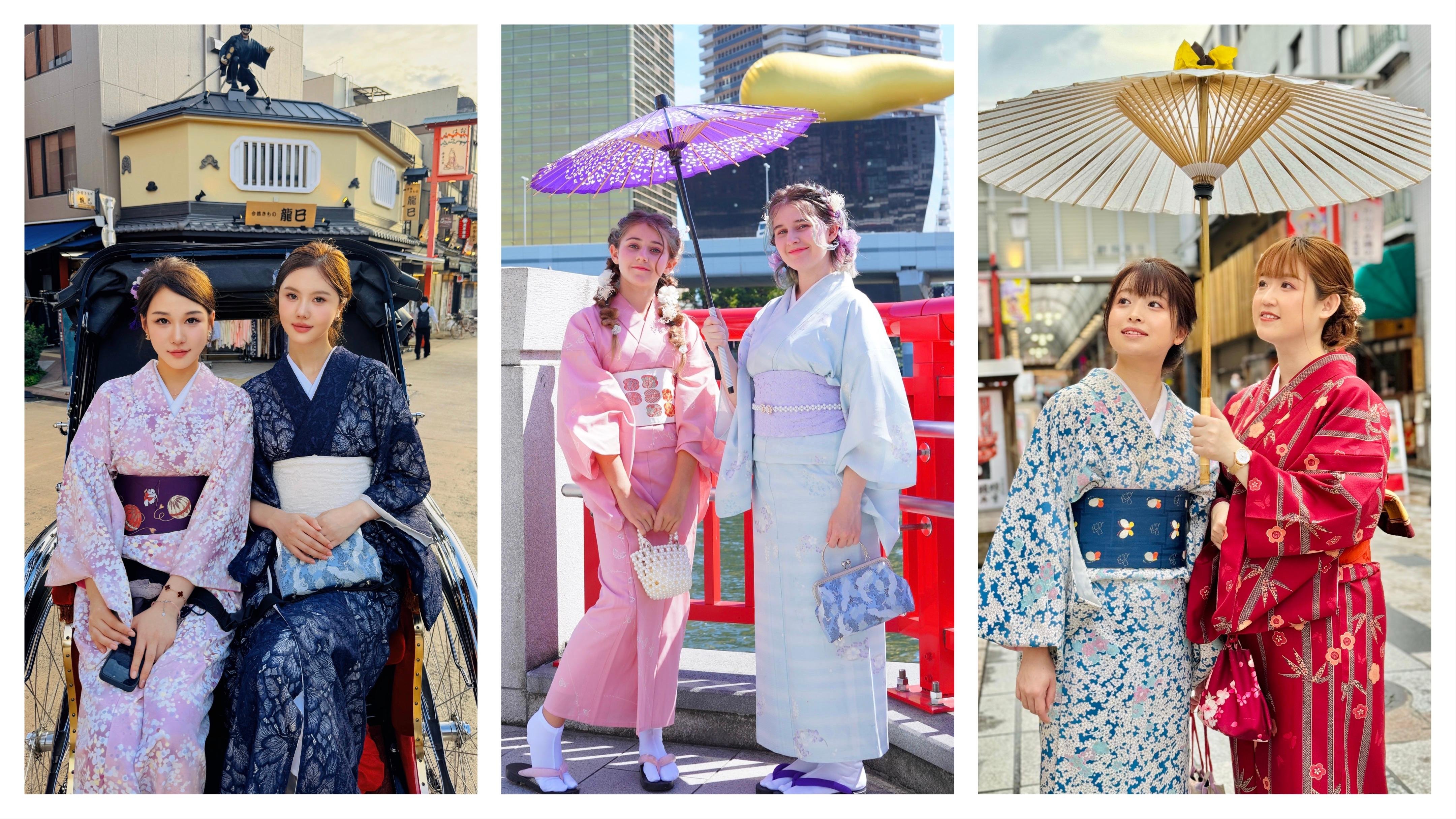
Dress in seasonal kimono and learn authentic matcha preparation from a tea master in historic Asakusa
Reserve
2 hr
Dress in authentic Japanese attire and discover the art of traditional tea ceremony in Tokyo's historic quarter
ReservePrices from verified partners. Availability updates in real time at checkout. Free cancellation policies apply where shown.
The landmarks, rooms, and views travelers on Asakusa Tea Ceremony tours remember — all visible on a single visit.
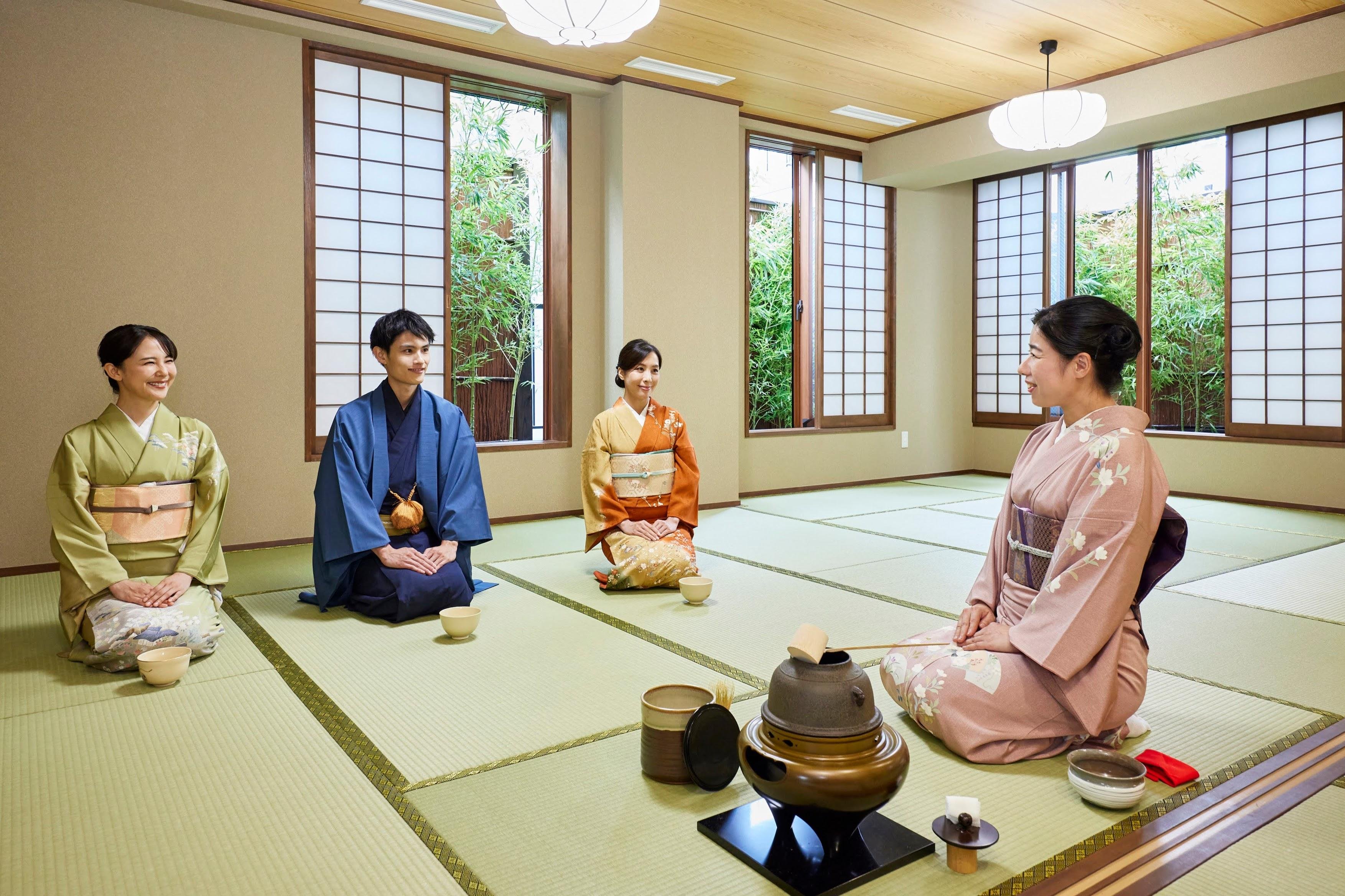
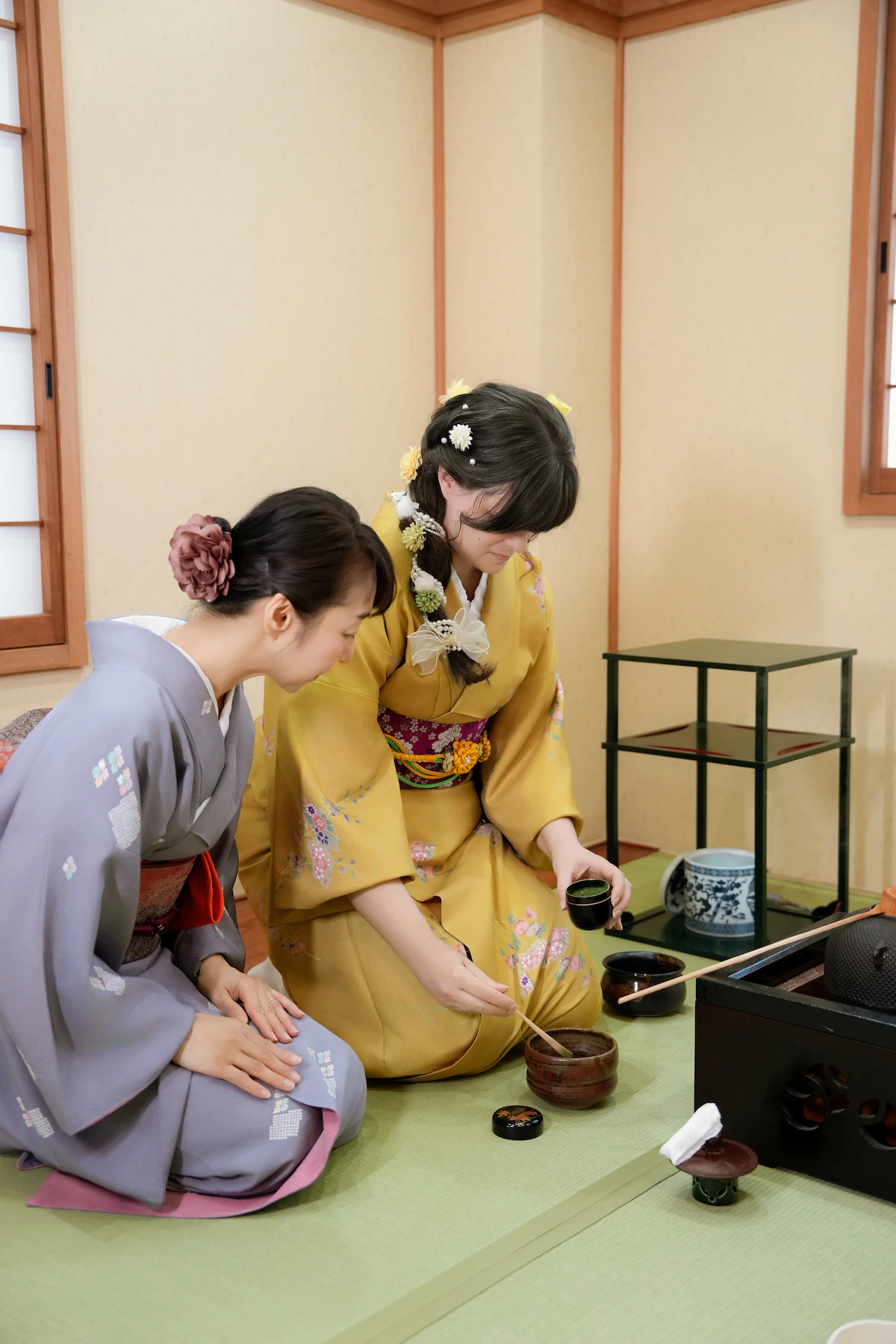
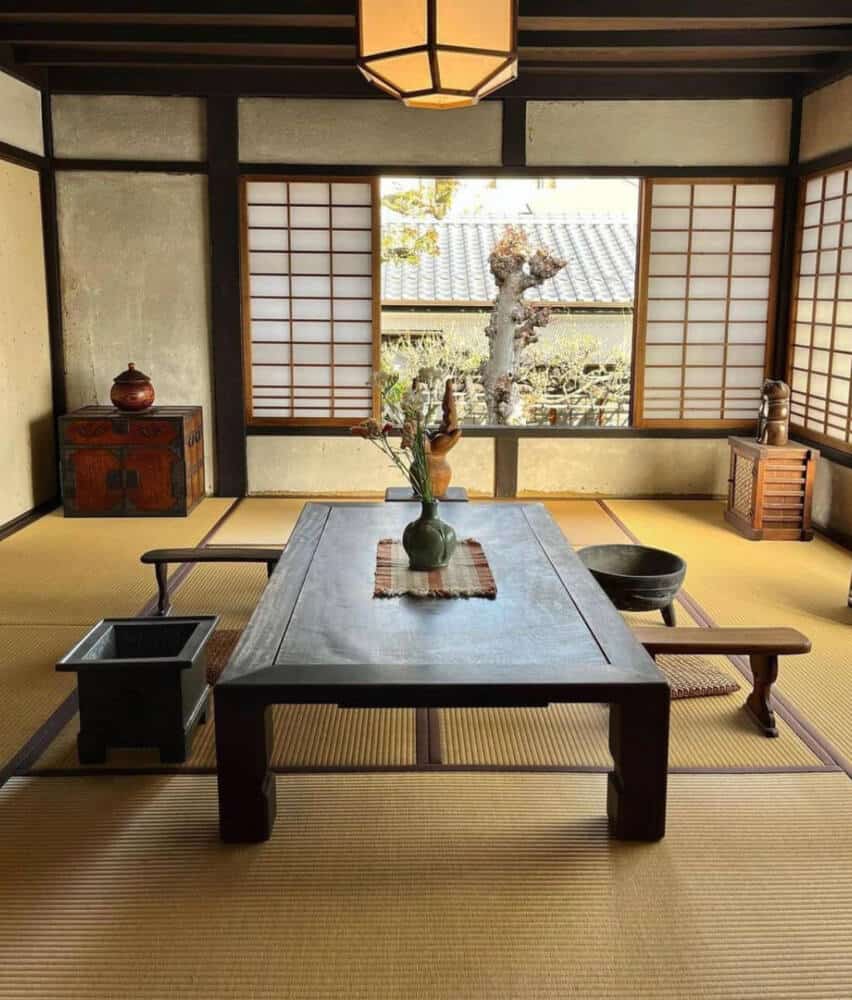
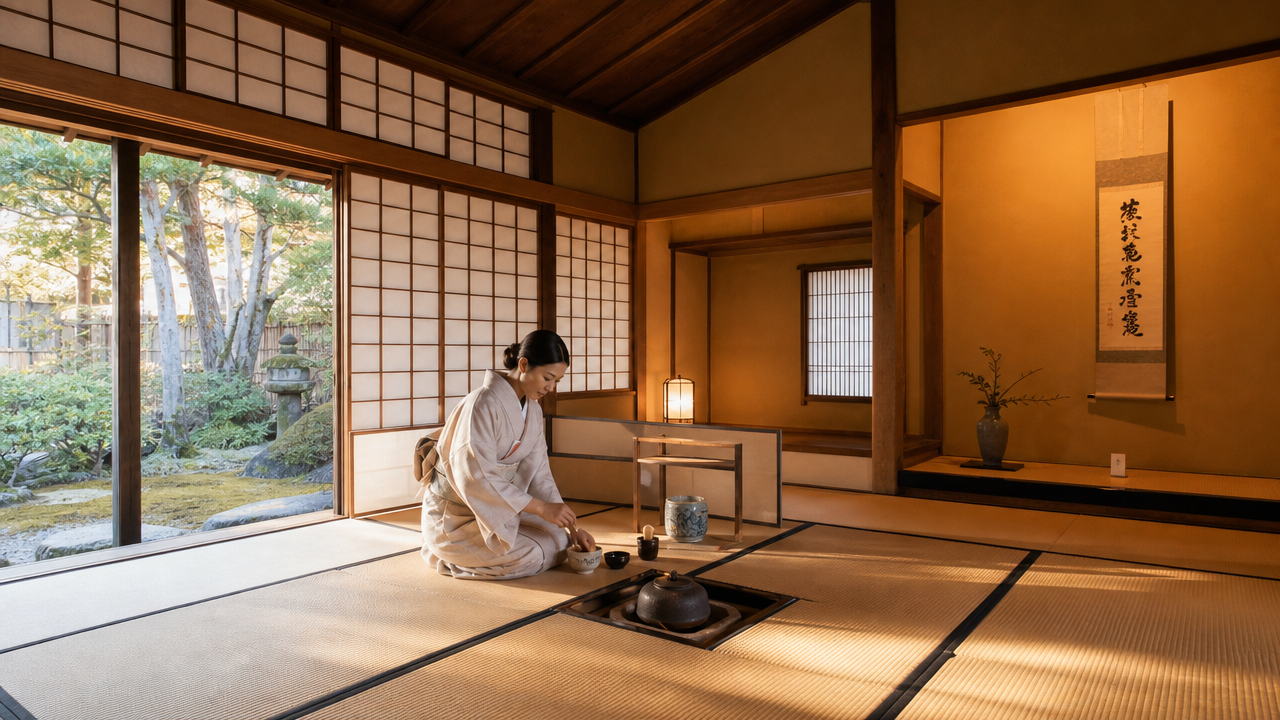
A traditional space featuring tatami flooring and seasonal decor that frames the asakusa tea ceremony perfectly.
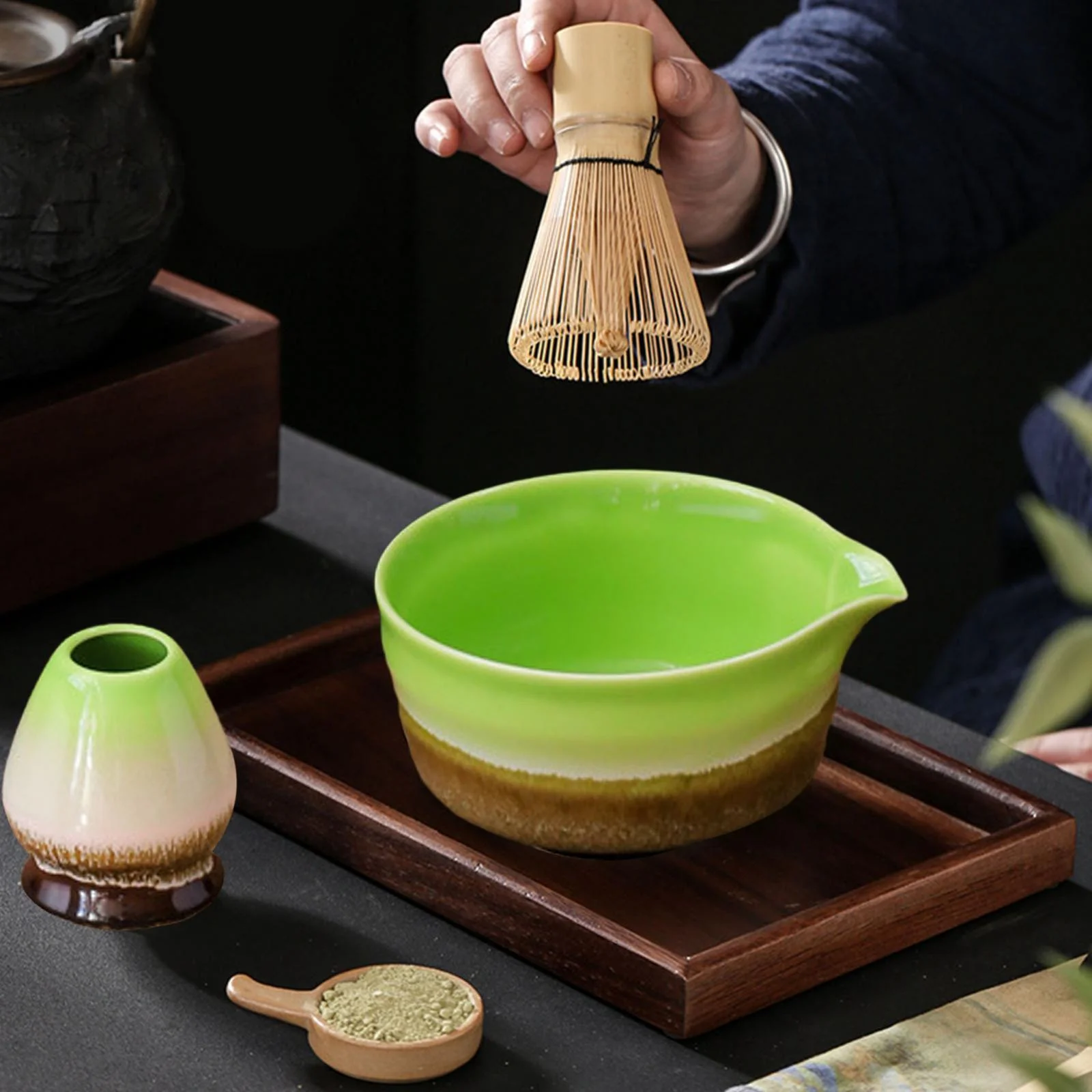
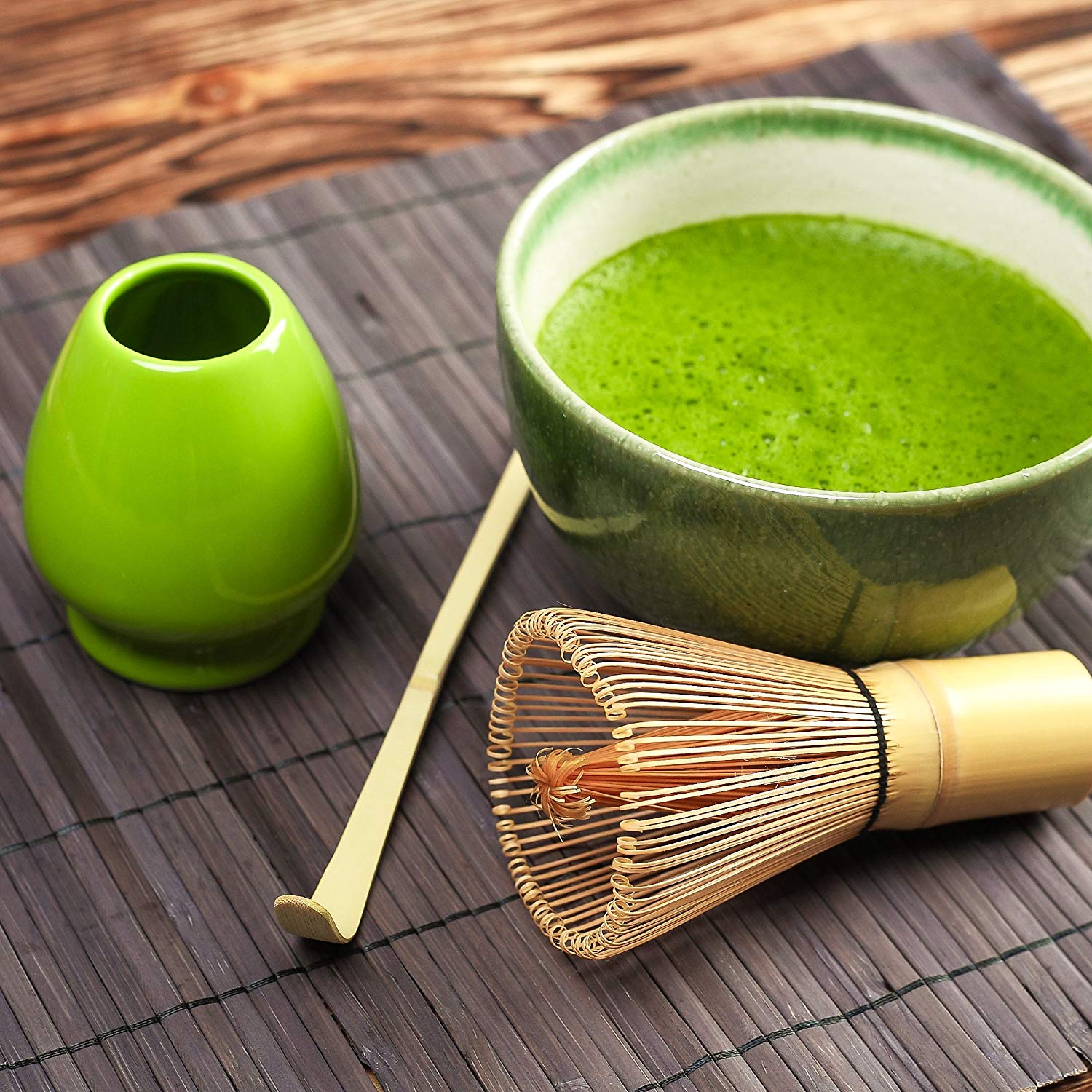
The chawan used in the asakusa tea ceremony is often a handmade piece of ceramic art.
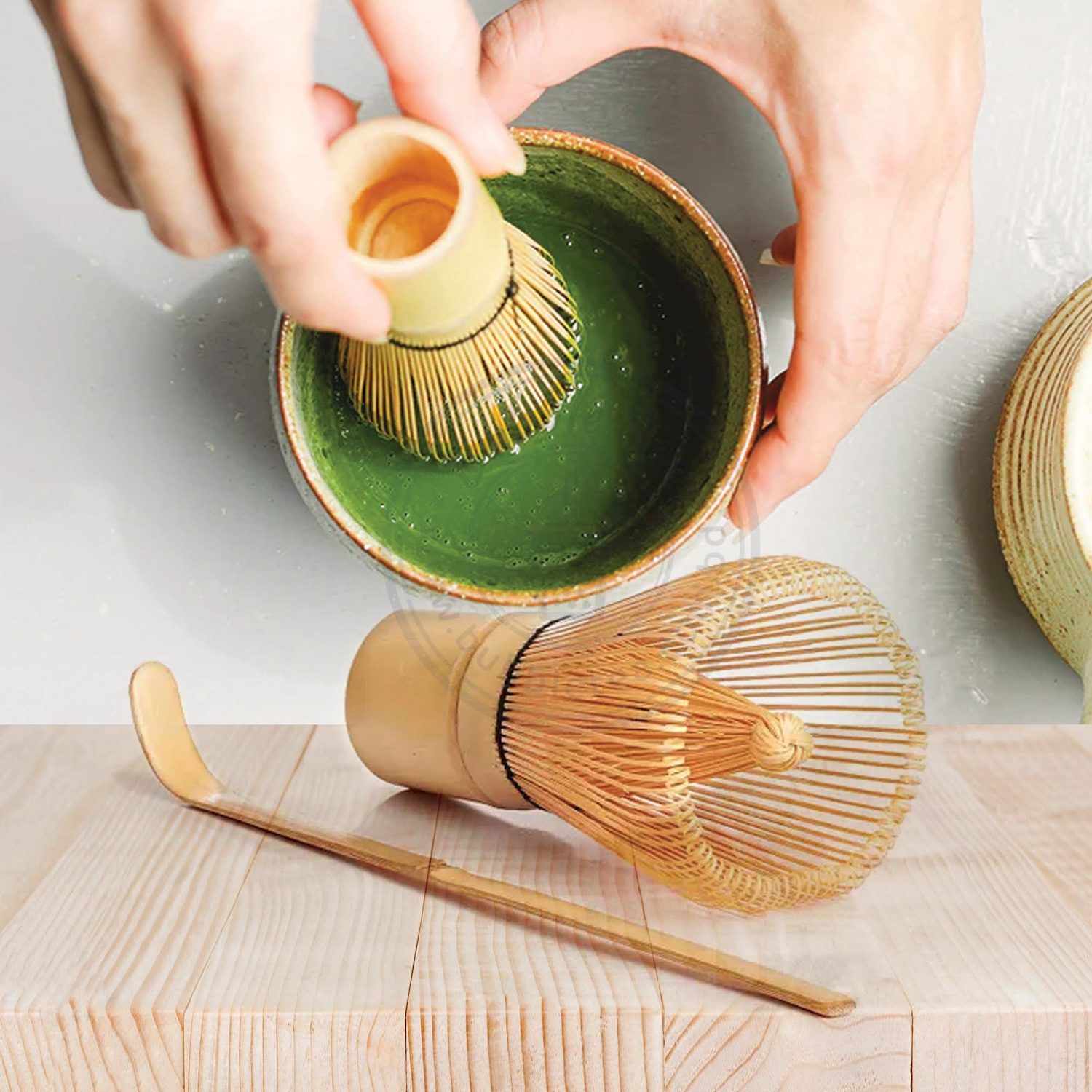
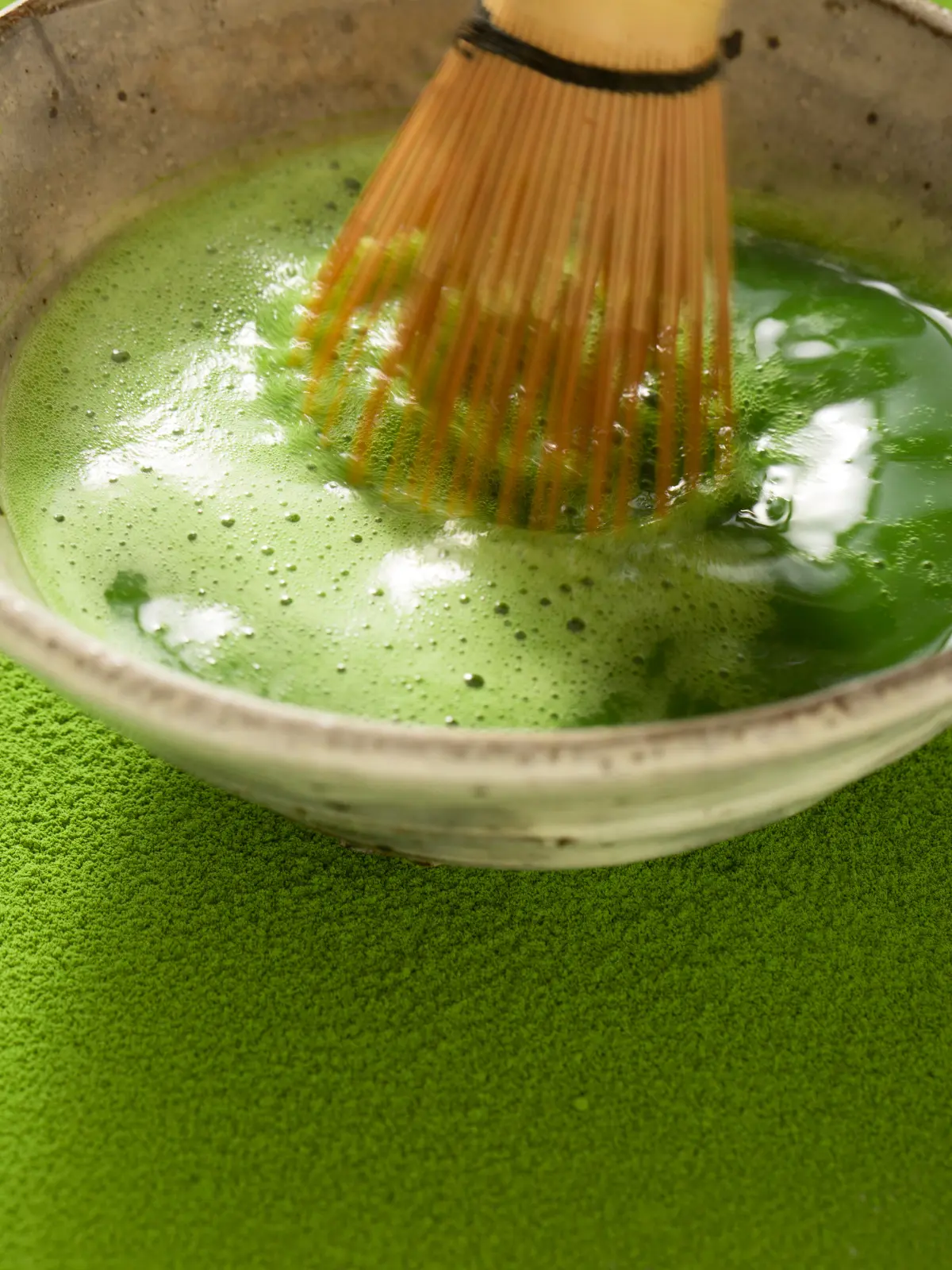
The bamboo chasen is a precision tool vital for the preparation of tea in every asakusa tea ceremony.
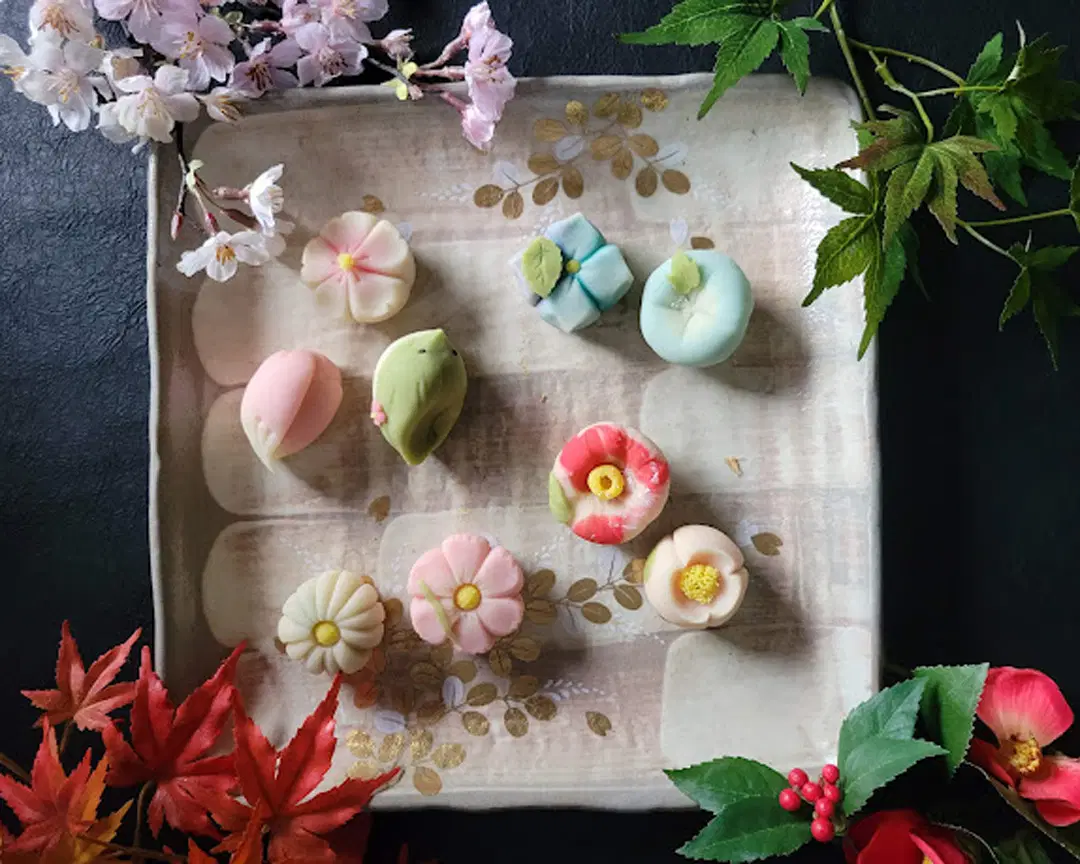
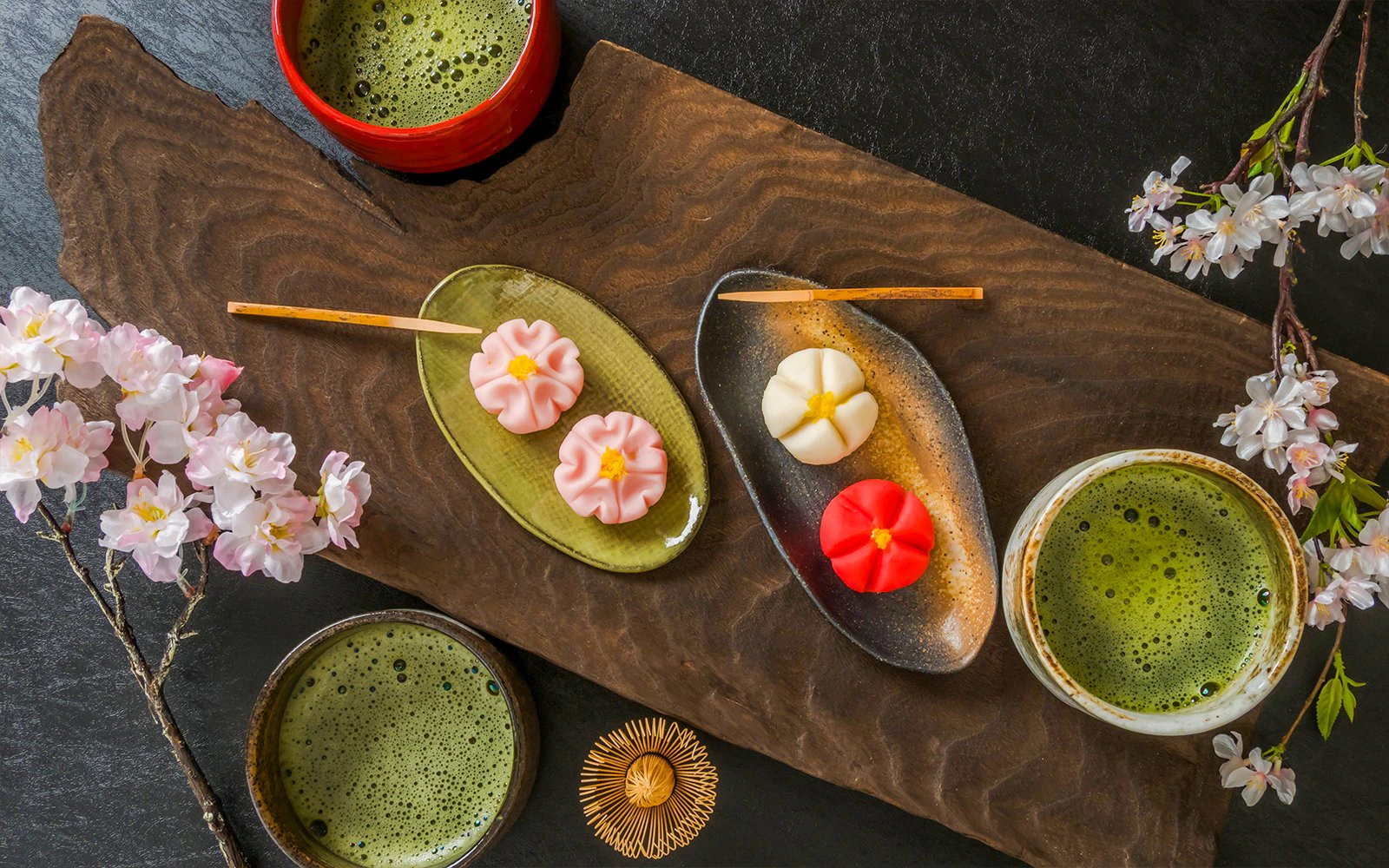
Wagashi sweets are served before the matcha to balance the bitter flavor during an asakusa tea ceremony.
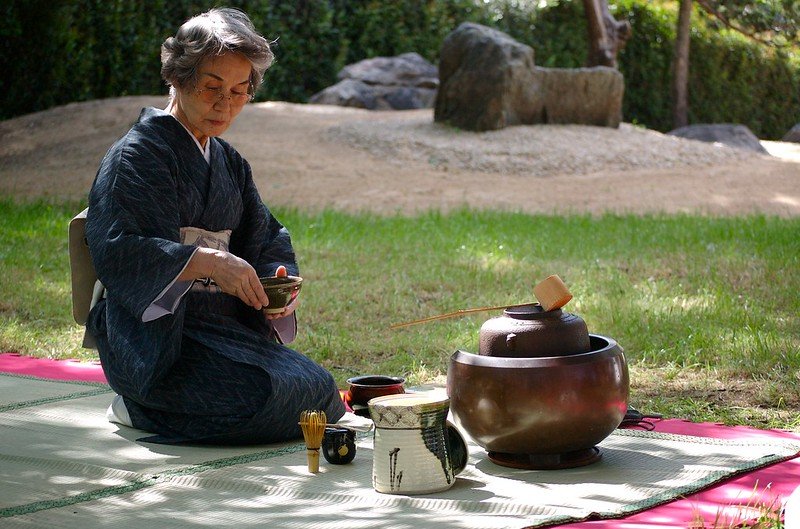
The area where the practitioner performs the intricate movements of the asakusa tea ceremony.
Every Asakusa Tea Ceremony tour side-by-side — duration, what's included, how you redeem.
| Experience | Duration | Rating | Free cancel. | Price | |
|---|---|---|---|---|---|
|
Standard Entry Most popular
Asakusa Matcha Tea Ceremony Workshop
|
1 hr | ★ 5.0 | ✓ | $28 | Book → |
|
Standard Entry
Traditional Tea Ceremony in Kimono
|
1 hr 30 min | ★ 4.9 | ✓ | $45 | Book → |
|
Standard Entry
Asakusa Kimono Dressing & Matcha Tea Experience
|
2 hr | ★ 4.9 | ✓ | €47 | Book → |
All prices from verified partners. Availability and exact terms confirmed at checkout.
The asakusa tea ceremony provides a disciplined, cultural immersion, while the casual tasting offers a relaxed, flexible alternative; choosing between them depends on whether you prefer structured mindfulness or brief leisure.
| Feature | Top pick Asakusa Tea Ceremony | Casual Tea House Tasting |
|---|---|---|
Educational depth |
High cultural insight | Minimal guidance |
Structure of experience |
Formal ritual sequence | Open walk-in style |
Interaction with host |
Active guided instruction | Limited service focus |
Level of formality |
Traditional etiquette | Relaxed and informal |
Involvement in preparation |
Hands-on whisking practice | Served ready-made tea |
Booking requirement |
Advance reservation recommended | No booking required |
| See tickets → |
Verdict: Visitors seeking to deepen their understanding of matcha traditions should secure asakusa tea ceremony tickets, whereas those valuing convenience often prefer the casual tea house alternative.
Choose your ticket, select your date, and reserve in under two minutes. Secure checkout handled by our verified partner.
Instant confirmation by email, with a mobile voucher you can save offline. No printing, no queuing at a collection desk.
Arrive at the entrance, show your voucher on your phone, and walk in. Most tickets include priority or skip-the-line access.
Practical details for Asakusa Tea Ceremony tickets straight from our verified partners — hours, access, rules, and how to get there.
Asakusa, Taito-ku, Tokyo
Check your booking for specific entrance details
Open in Google MapsTake the Ginza Line or Asakusa Line to Asakusa Station.
Follow signs toward Senso-ji Temple to reach the heart of the district.
Guests are encouraged to wear modest clothing as you will be seated on tatami mats. It is recommended to wear or bring clean socks for the ceremony.
Space is limited inside the traditional tea room. Please leave large suitcases at lockers in Asakusa Station.
Photography is generally permitted during specific parts of the session. Please follow the host instructions regarding when to capture images of the ceremony.
The venue features traditional architectural elements which may include steps and low seating. Please notify the staff in advance if you require assistance with seating.
Please set mobile devices to silent mode during the session. Avoid using phones during the tea preparation to maintain the atmosphere.
The session is educational and requires quiet participation. Young children must be able to sit calmly for the duration of the 45-minute experience.
Traditional matcha and seasonal Japanese sweets are included in your 3,500 JPY entrance fee. No outside food or drink is permitted inside the ceremony space.
No pets are allowed inside the tea house due to the delicate nature of the venue. Service animals may be accommodated with advance notice.
The 45-minute session provides an authentic look at Japanese culture. All participants must pay the 3,500 JPY fee.
Asakusa, Taito-ku, Tokyo
Check your booking for specific entrance details
Get directionsBest time to go, insider tips, nearby landmarks, and the cancellation fine print — flip through to skim what matters to you.
How crowds, weather, and events shift across the year.
Mild weather is perfect for exploring the surrounding shrines after your session.
August brings hot, humid days so arrive early to avoid the midday sun.
Comfortable temperatures make this an ideal time for traditional cultural activities.
Crisp, cool air complements the warmth of the tea ceremony experience.
Small details that turn a good visit into a great one.
Reservations for an asakusa tea ceremony are essential due to popularity. Secure your asakusa tea ceremony tickets well in advance.
You must remove shoes to enter; clean socks are required for the asakusa tea ceremony tour.
Use the best arrival window of 10:00–16:00 for your asakusa tea ceremony.
Maintain a peaceful environment during the asakusa tea ceremony.
Plan a full day in Asakusa to pair the asakusa tea ceremony with temple sightseeing.
Review your confirmation for the asakusa tea ceremony after booking.
The host is happy to explain the asakusa tea ceremony traditions.
Non-bookable sights within a short walk — free to visit, easy to pair.
The oldest temple in Tokyo with a iconic red gate.
The entrance to the temple complex famous for its lantern.
A riverside space ideal for viewing the Tokyo Skytree.
Located right next to the main temple complex.
Flexible, no hidden fees.
Cancellations must be made according to the operator terms provided upon booking. Refunds are subject to the policies applied to the 3,500 JPY entrance fee.
Hand-picked options within walking distance — pick a district for vibe, or a specific hotel for convenience.
High-end stay with panoramic city views.
Reliable comfort in the center of the district.
Simple lodging for travelers on the move.
The way of tea — chado — arrived in Japan from China during the ninth century, but it was Sen no Rikyū who codified the ritual into its present form in the sixteenth century, stripping away ornamentation to reveal wabi-sabi: beauty in imperfection, transience, and restraint.
His four principles — harmony, respect, purity, tranquility — still govern every movement in a contemporary tea room. Asakusa, Tokyo's oldest geisha district and temple quarter, became a natural home for tea culture. The neighborhood's proximity to Sensō-ji Temple meant that pilgrims and merchants sought quiet spaces for reflection after crossing the Nakamise-dōri arcade, and tea houses proliferated along the narrow lanes of Taito-ku during the Edo period. Today, the district preserves more than two dozen tea ceremony venues, many housed in machiya townhouses with tatami floors and shoji screens that have stood for over a century.
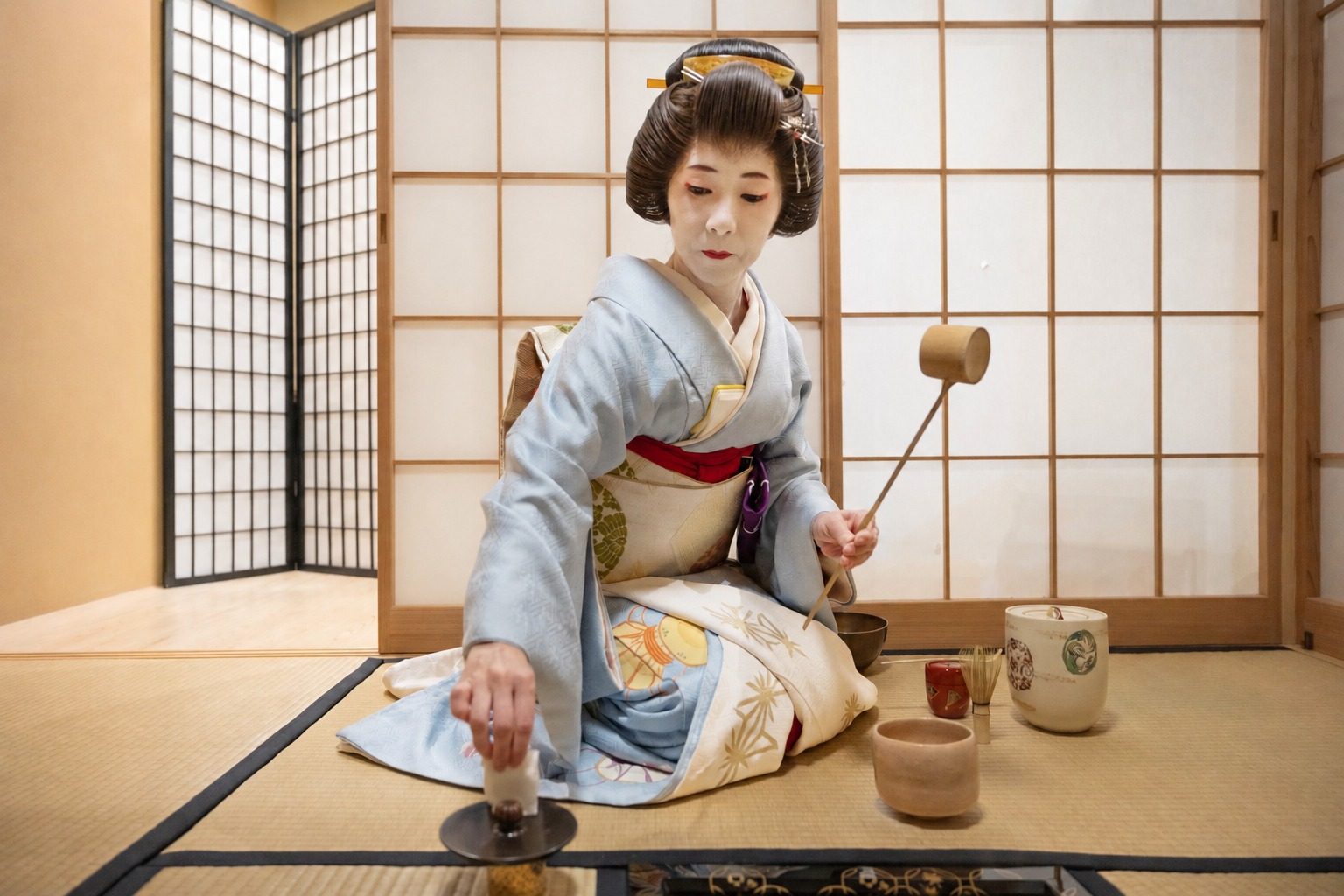
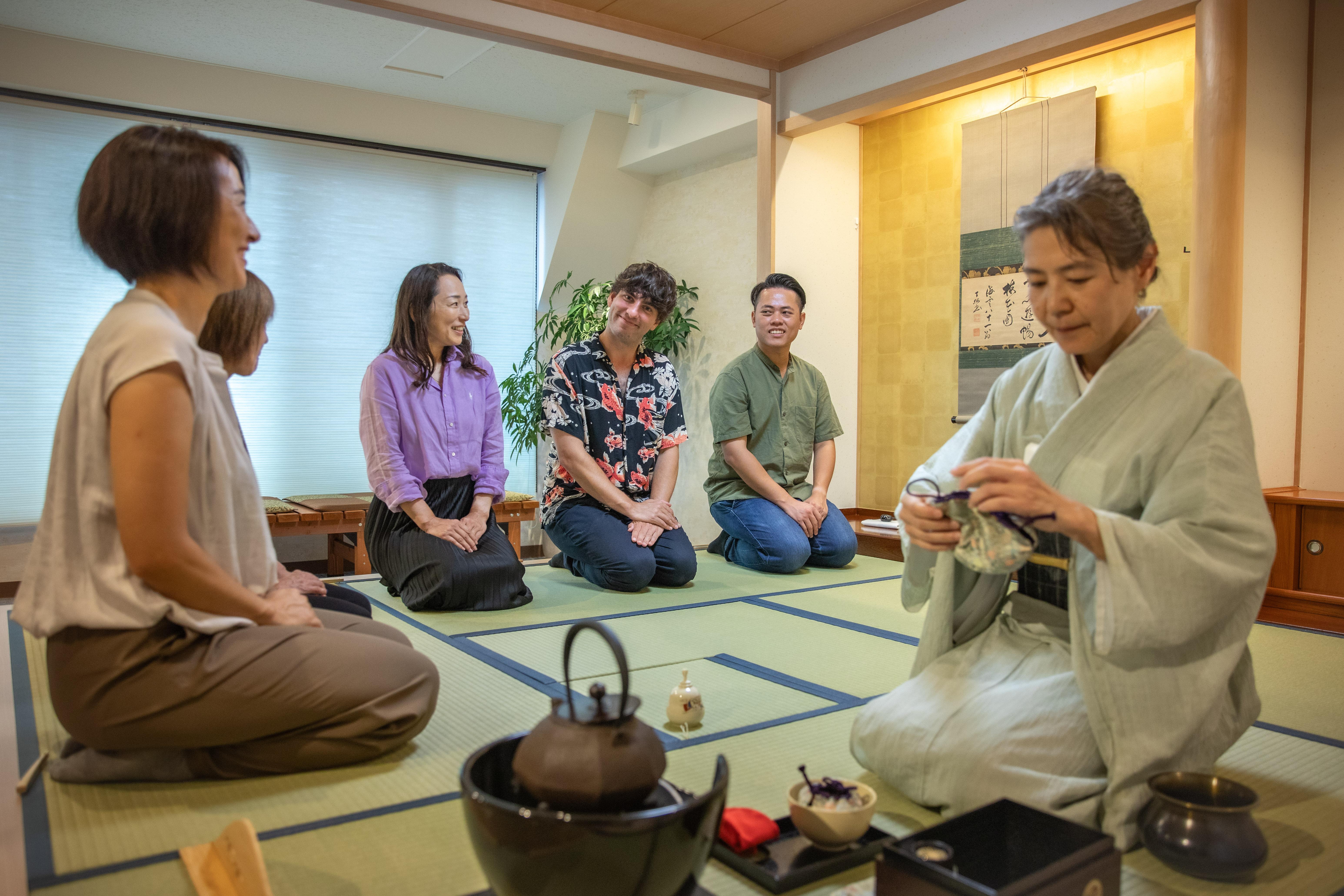
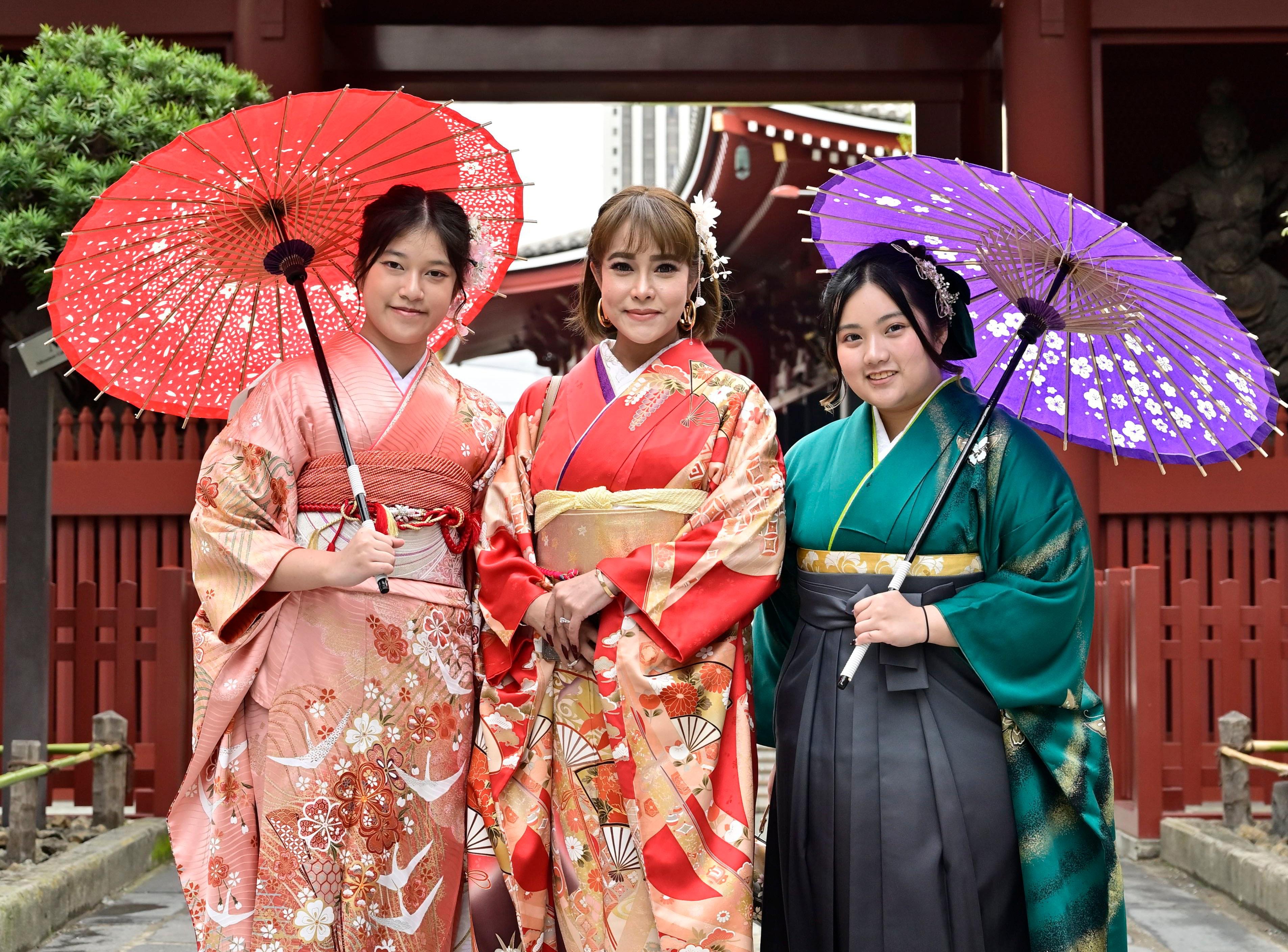
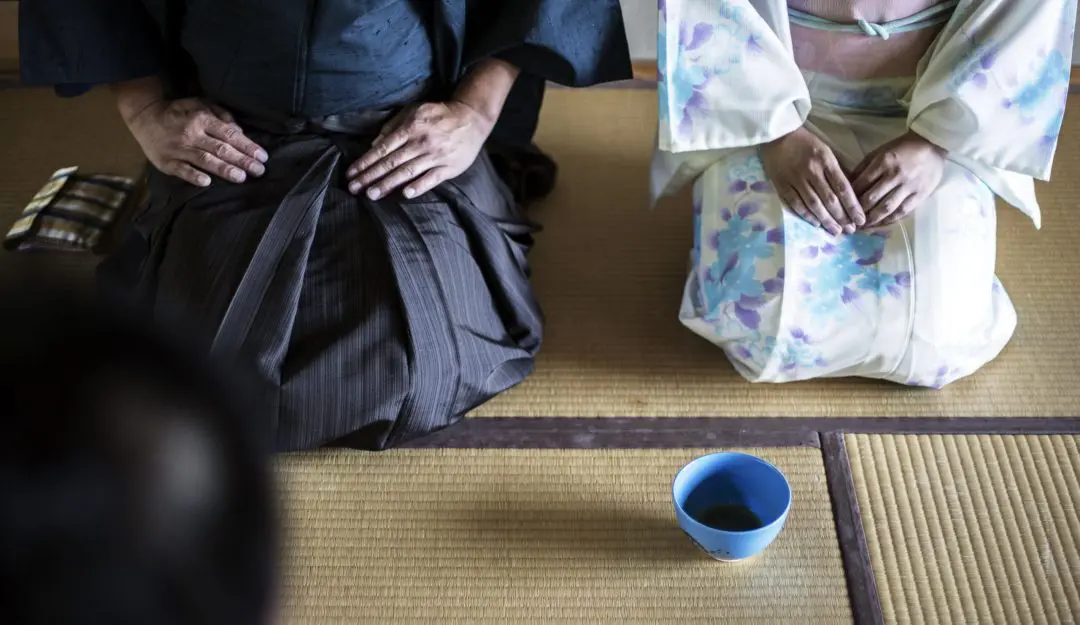
An asakusa tea ceremony tour opens a window into Japanese aesthetics that guidebooks cannot replicate. The host — often a certified tea master trained in the Urasenke or Omotesenke school — demonstrates the precise choreography: the folding of the chakin cloth, the scooping of matcha powder with a chashaku bamboo ladle, the whisking motion that transforms bitter green powder into frothy jade liquid. Guests kneel on zabuton cushions in seiza position, rotate the tea bowl twice before drinking, and observe silence except for a soft slurping sound that signals appreciation. The forty-five-minute ritual unfolds without hurry. Some Asakusa tea ceremony experiences pair the session with kimono rental, allowing participants to wear silk robes and obi sashes that echo the ceremony's formality. Others include wagashi — delicate seasonal sweets sculpted from sweetened bean paste — to balance matcha's astringency.
The architecture of a traditional tea room, or chashitsu, follows principles established by Rikyū: low doorways that require guests to bow upon entry, alcoves displaying a single scroll or ikebana arrangement, and windows positioned to cast indirect light across the tatami. The confined space — often no larger than four and a half mats — creates intimacy and equality; samurai once removed their swords before entering, leaving rank outside. Modern Asakusa venues honor this legacy while accommodating international visitors unfamiliar with formal Japanese etiquette. English-speaking hosts explain each gesture, and chairs replace floor seating for those unable to kneel. The ceremony remains a meditation on presence, a counterpoint to the neon and noise of Shibuya or Shinjuku. In Asakusa, the matcha bowl still holds centuries.

"The forty-five-minute ritual unfolds without hurry."
A step-by-step walkthrough of Asakusa Tea Ceremony tickets — what you'll see, how long each stage takes, and the details that matter.
You arrive at a machiya townhouse in Taito-ku before the afternoon rush, removing your shoes at the genkan entrance and stepping onto polished wood floors.
The host greets you with a bow and guides you to the tea room, where tatami mats smell faintly of dried rushes and a scroll hangs in the tokonoma alcove — a single brushstroke of calligraphy that translates to "harmony." You kneel on a zabuton cushion, settling into seiza position as the host kneels opposite and begins to arrange the utensils: a black lacquer tea caddy, a bamboo whisk with seventy tines, a ceramic bowl cradled in both hands.
The first gesture is the purification of tools. The host folds a white silk cloth into precise thirds and wipes the tea scoop, the motion deliberate and unhurried. Matcha powder falls into the bowl in three measured scoops, then hot water poured from a cast-iron kettle. The whisk moves in a swift M-pattern, aerating the liquid into pale green foam. The host rotates the bowl so its most beautiful side faces you, then slides it forward across the tatami. You lift it with both hands, bow slightly, rotate it twice clockwise — a gesture of humility — and drink in three sips, the last accompanied by a soft slurp to signal appreciation. The matcha is bitter, grassy, vegetal, but a piece of wagashi sweet on a lacquer tray offsets the intensity. You place the empty bowl down, rotate it back, and bow again. Silence holds the room. Outside, the lanterns of Nakamise-dōri glow in the dusk, but here, time has contracted to the width of a tea whisk.
The venue is open daily from 10:00–17:00. This ensures guests can enjoy the asakusa tea ceremony during standard operating hours.
Yes, it is recommended to secure your asakusa tea ceremony tickets online to guarantee a spot for your preferred time.
The entrance fee is 3,500 JPY per person for a shared seat during an asakusa tea ceremony.
Guests should wear modest clothing and must wear clean socks to participate in an asakusa tea ceremony tour.
Yes, you may take photos at designated times during your asakusa tea ceremony. Please listen to the host regarding etiquette.
Families are welcome, but children must be able to sit quietly for the 45-minute asakusa tea ceremony duration.
The best arrival window is 10:00–16:00 to avoid afternoon crowds during your asakusa tea ceremony visit.
Due to the small room size, large bags should be left at a nearby station locker before your asakusa tea ceremony.
The venue features traditional tatami seating, which may be challenging for some guests; please contact the operator regarding your asakusa tea ceremony needs.