
1 hr 30 min
Asakusa Kimono Tea Ceremony Experience
Dress in seasonal kimono and learn authentic matcha preparation from a tea master in Tokyo's cultural heart
Reserve
Hand-picked by our editors — only the best 5 experiences from 12 reviewed.
Verified partners for every tour, free cancellation where available, and instant confirmation on every booking.
1 hr 30 min
Dress in seasonal kimono and learn authentic matcha preparation from a tea master in Tokyo's cultural heart
Reserve
2 hr
Dress in authentic Japanese attire and discover the art of traditional tea drinking in historic Asakusa
Reserve
30 min
Dress in traditional Japanese attire with expert styling, photography, and cultural immersion in Tokyo's historic district
ReservePrices from verified partners. Availability updates in real time at checkout. Free cancellation policies apply where shown.
The landmarks, rooms, and views travelers on this tour remember — all visible on a single visit.
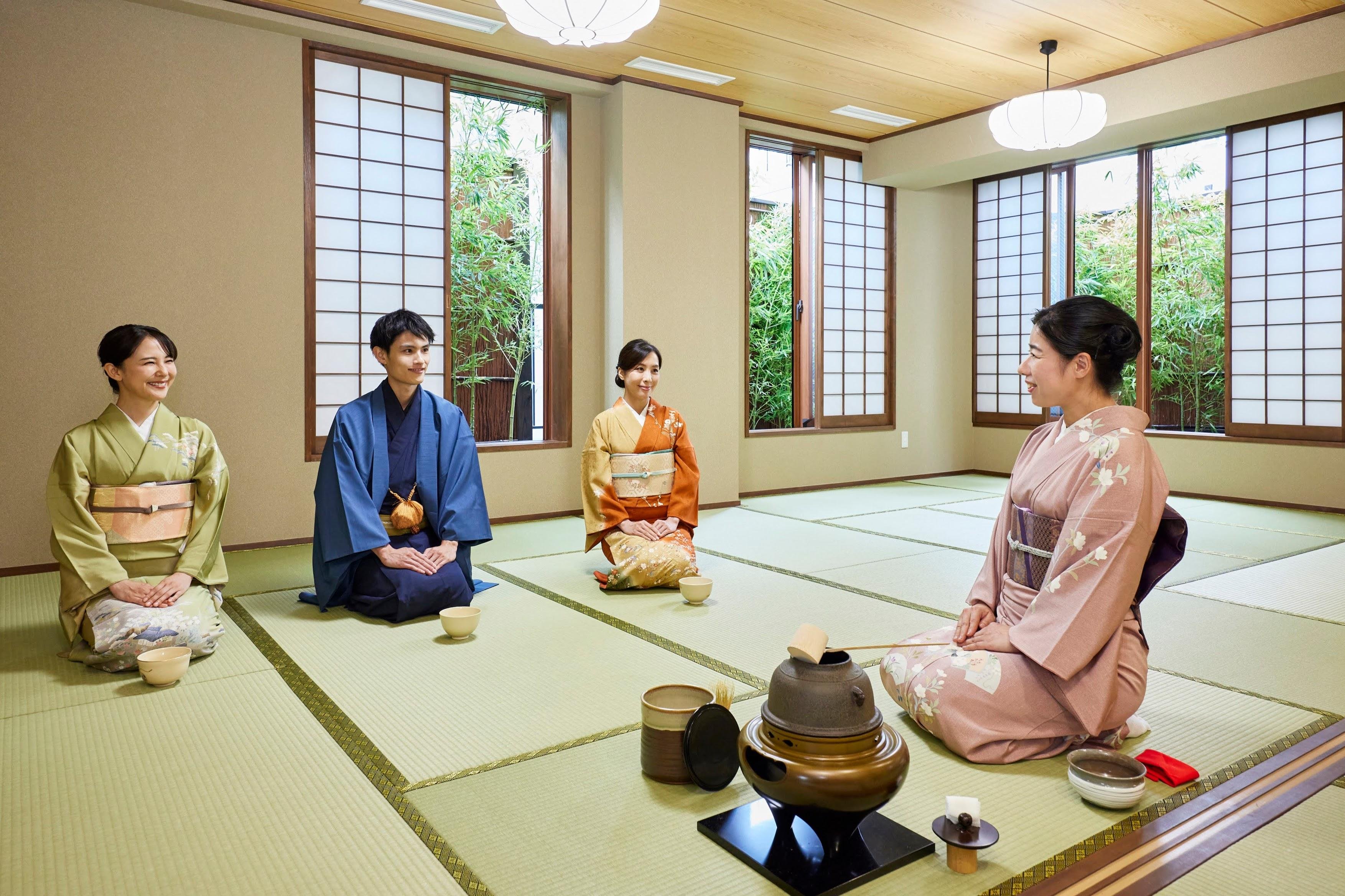
Learn the precise movements of the master during a traditional ceremony. The room is designed with authentic tatami flooring and serene decor.
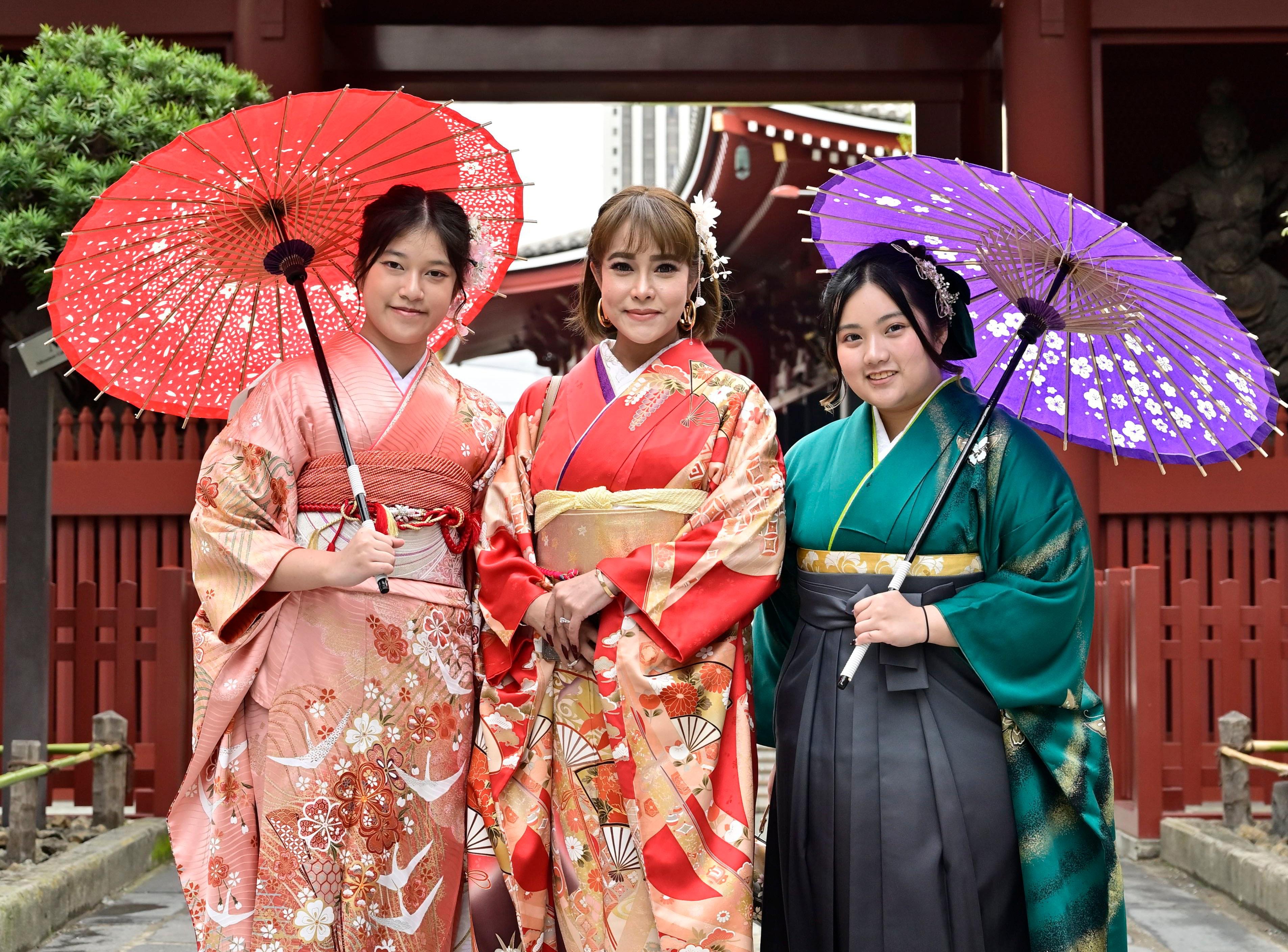
Professional staff provide expert assistance in layering and securing your traditional garment correctly.
Enjoy a moment of reflection overlooking a manicured landscape during your session.
Participate in whisking your own tea using traditional bamboo tools. This is a core part of the asakusa tea ceremony and kimono rental process.
View a small collection of antique garments and accessories related to Tokyo history.
These experiences offer different approaches to tradition; most visitors who desire depth find asakusa tea ceremony and kimono rental tours to be the more rewarding choice. While basic rentals prioritize mobility, an integrated package provides a more structured connection to Japanese heritage.
| Feature | Top pick Ceremony & Rental | Standard Rental |
|---|---|---|
Cultural immersion |
High (guided ceremony) | Low (self-guided stroll) |
Time commitment |
2–3 hours | 4–8 hours |
Skill level required |
None (instruction provided) | None |
Base price |
3,500 JPY (summer) | 2,500–5,000 JPY (summer) |
Suitability for photography |
High (indoor set) | High (outdoor street scenes) |
| See tickets → |
Verdict: Opt for asakusa tea ceremony and kimono rental tickets if you seek a guided cultural introduction, or choose a standalone shop if you prefer total freedom while exploring local landmarks with asakusa tea ceremony and kimono rental tour flexibility.
Choose your ticket, select your date, and reserve in under two minutes. Secure checkout handled by our verified partner.
Instant confirmation by email, with a mobile voucher you can save offline. No printing, no queuing at a collection desk.
Arrive at the entrance, show your voucher on your phone, and walk in. Most tickets include priority or skip-the-line access.
Practical details for your visit straight from our verified partners — hours, access, rules, and how to get there.
Asakusa, Taito City, Tokyo, Japan
Main check-in desk
Take the Ginza Line to Asakusa Station, which is a 5-minute walk away.
From Senso-ji temple grounds, head south toward the main commercial street.
Participants receive a traditional garment upon arrival for the asakusa tea ceremony and kimono rental session. Wear simple undergarments to ensure a comfortable fit when dressing.
Large luggage must be stored in designated areas before starting your asakusa tea ceremony and kimono rental tour. Keep valuables with you at all times.
Photography is permitted during the asakusa tea ceremony and kimono rental, but please respect the instructor during formal instruction. Avoid using flash inside the tea room.
The studio space accommodates visitors with mobility challenges. Please specify needs when booking your asakusa tea ceremony and kimono rental tickets.
Please set devices to silent mode to maintain the atmosphere. Taking photos of your asakusa tea ceremony and kimono rental is allowed between instructional steps.
Families are welcome at this asakusa tea ceremony and kimono rental. We offer various sizes of traditional attire for children of all ages.
Complimentary matcha and wagashi are provided as part of the standard asakusa tea ceremony and kimono rental experience. Outside food and beverages are not allowed inside the tatami room.
Animals are not permitted inside the facility. Service animals should be registered prior to your asakusa tea ceremony and kimono rental visit.
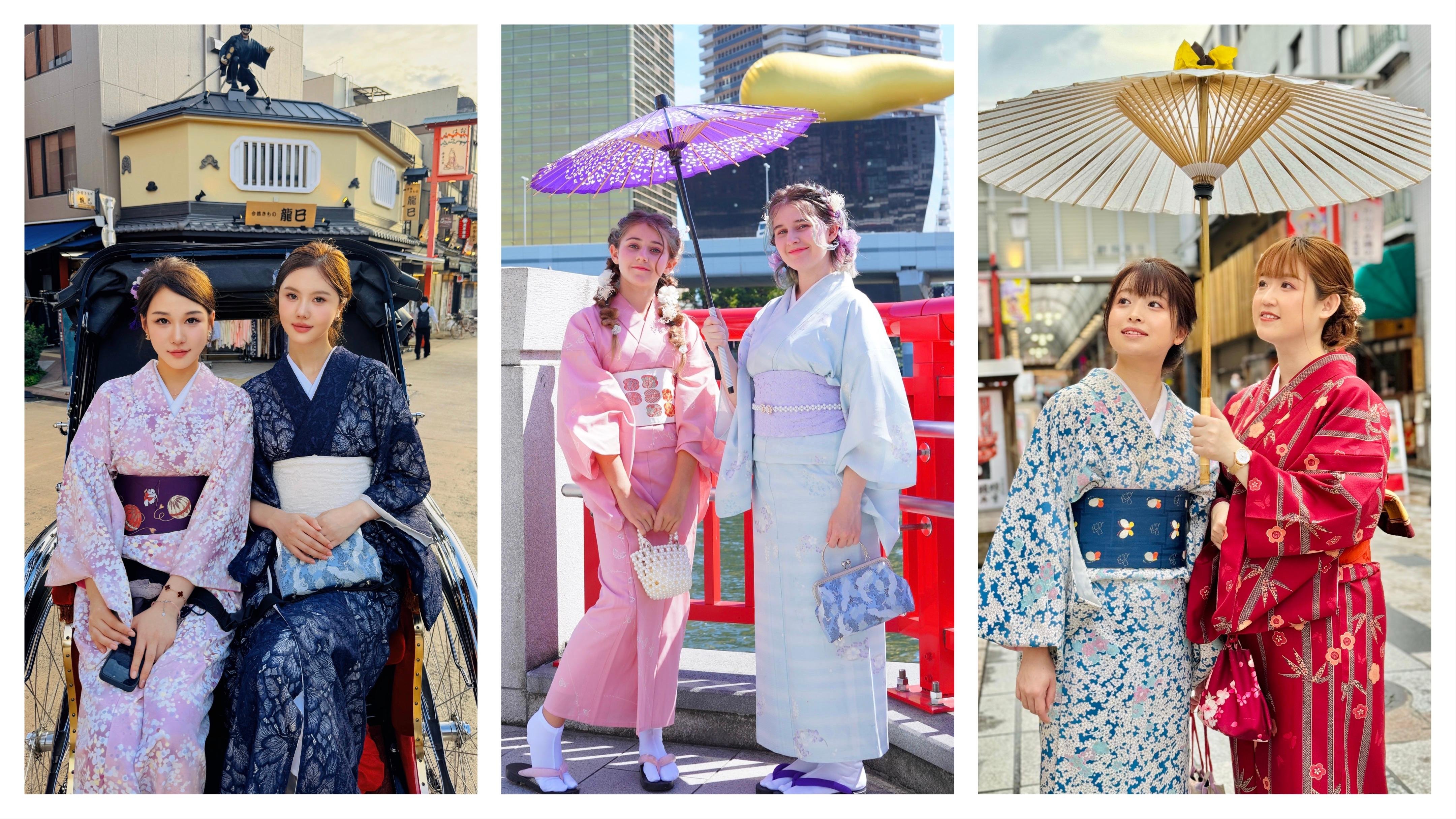
The staff provides full assistance for dressing, so no prior experience is required. Plan for extra time if you intend to walk through nearby Tokyo landmarks in your kimono.
Best time to go, insider tips, nearby landmarks, and the cancellation fine print — flip through to skim what matters to you.
How crowds, weather, and events shift across the year.
March to May brings pleasant weather and cherry blossoms, ideal for outdoor photos.
August is hot, but indoor sessions provide relief and traditional cooling treats.
October to November offers crisp air perfect for wearing multiple layers of kimono.
December to February is quieter with shorter queues for local attractions.
Small details that turn a good visit into a great one.
Reserve your asakusa tea ceremony and kimono rental weeks in advance to ensure availability.
Follow the 09:00–17:00 arrival window to avoid midday heat and peak tour crowds.
Bring white tabi-style socks if you prefer your own, though rentals are available.
A small bow at the start of the session demonstrates respect for your instructor.
Kimono are warm, so check forecasts before your asakusa tea ceremony and kimono rental.
Non-bookable sights within a short walk — free to visit, easy to pair.
Tokyo oldest temple featuring a massive red lantern at the main gate.
The iconic entrance gate known for its giant paper lantern.
Beautiful riverside park offering views of the Tokyo Skytree.
A historic shopping street filled with traditional crafts and snacks.
Flexible, no hidden fees.
Cancellations made outside the specified window are subject to forfeiture. The base entrance fee of 3,500 JPY is non-refundable for no-shows.
Hand-picked options within walking distance — pick a district for vibe, or a specific hotel for convenience.
Modern rooms with views of the historic district.
Authentic Japanese inn experience within walking distance.
The choreography of a proper tea ceremony requires seven years to master the first bow. In Asakusa, Taito City's historic temple district, that precision survives not as performance but as living practice. The quarter surrounding Sensō-ji Temple has sustained tea culture since the Edo period, when merchants and pilgrims paused between shrine visits to observe the ritual preparation of matcha in timber machiya townhouses. Today's tea practitioners inherit techniques codified by Sen no Rikyū in the sixteenth century: the angle of the ladle, the rotation of the bowl, the calculated pause before the first sip. Asakusa tea ceremony and kimono rental packages unite two parallel traditions. The kimono itself—a garment requiring twelve separate ties and an obi sash weighing up to four kilograms—transforms posture and movement. Silk constrains the stride, forces deliberate gestures, aligns the spine. Worn correctly, it prepares the body for the tea room's formal choreography. Professional dressers in Asakusa follow kitsuke methods that date to the Meiji Restoration, layering under-robes and adjusting collar lines to achieve the clean vertical silhouette prized in traditional aesthetics. The process takes twenty minutes. The result is a wearable discipline. The tea ceremony itself unfolds in tatami-mat rooms designed for the ritual. Guests kneel in seiza position. The host purifies each utensil with silk cloth, whisks powdered matcha with precise strokes, presents the bowl with its decorated face toward the guest. The guest accepts, rotates the bowl twice clockwise to avoid drinking from the front, sips three and a half times, wipes the rim, rotates it back. Every motion carries meaning. The bitter matcha—ground from shade-grown tencha leaves—balances with a seasonal wagashi sweet, typically nerikiri paste shaped to reflect the current month. Silence punctuates each phase. The rhythm is unhurried. The room contains only what the ceremony requires. Asakusa's proximity to Sensō-ji and Nakamise shopping street positions the experience within Tokyo's densest concentration of Edo-era streetscapes. Visitors move from tatami tea rooms to temple courtyards in full kimono, the silk sleeves and trailing obi attracting little notice in a district where traditional dress remains common. The juxtaposition is deliberate: tea and kimono function not as costume but as entry points into a formal aesthetic system that still governs Japanese spatial and social design. Participation requires patience, attention, and a willingness to slow the body to match the ritual's internal clock.
"The choreography of a proper tea ceremony requires seven years to master the first bow."
A step-by-step walkthrough of the visit — what you'll see, how long each stage takes, and the details that matter.
You arrive at the Asakusa venue between 09:00 and 17:00, when morning light softens the tatami rooms and afternoon crowds thin. A dresser guides you through rows of silk kimono—florals for spring, indigo geometric patterns for summer, deep crimsons for autumn. You choose. The dressing begins: cotton under-robe first, then the kimono itself, each fold adjusted to your frame. The obi wraps your waist in four tight passes, cinched and tied into a drum knot at your back. Tabi socks. Zōri sandals. Hair pins if your hair permits. Twenty minutes transforms you. You enter the tea room and kneel on the tatami. The host, seated opposite, arranges the ceramic bowl, the bamboo whisk, the iron kettle. Water simmers. She scoops matcha powder with a carved chashaku spoon, pours hot water, whisks in deliberate strokes until foam peaks. She presents the bowl with both hands. You accept, rotate it twice, drink. The matcha is bright green, thick, bitter. The wagashi sweet—a chestnut paste shape—cuts the astringency. You place the bowl down, rotate it back, bow. The host purifies the whisk with a silk cloth. Silence holds. After the ceremony, you step outside in full kimono. Sensō-ji's five-story pagoda rises two blocks west. Nakamise's lacquerware stalls and incense vendors line the approach. You walk slowly—the silk restricts your stride—and photograph the temple gate, the lanterns, the stone guardian statues. The obi's weight steadies your posture. Tourists photograph you. You return the kimono by 18:30.
The venue is open daily from 09:00–18:30. This ensures plenty of time for every asakusa tea ceremony and kimono rental guest.
The entrance fee for the tea ceremony experience is 3,500 JPY per person. This covers the session as part of your asakusa tea ceremony and kimono rental.
We recommend arriving between 09:00–17:00. This is the optimal window for an asakusa tea ceremony and kimono rental tour to avoid afternoon crowds.
Yes, children are welcome to participate. We have various kimono sizes available for families visiting the asakusa tea ceremony and kimono rental.
Cancellations are managed based on the timing of your booking. Please review the specific terms associated with your asakusa tea ceremony and kimono rental tickets.
Full attire is included with your booking. Every asakusa tea ceremony and kimono rental session includes expert fitting services.
The facility is designed to be accessible. Please contact us in advance of your asakusa tea ceremony and kimono rental to ensure a smooth visit.
Yes, you are encouraged to take photos of your asakusa tea ceremony and kimono rental. Please be mindful of the instructor during the ceremony.
Bring your confirmation and comfortable socks. Everything else needed for the asakusa tea ceremony and kimono rental will be provided on-site.