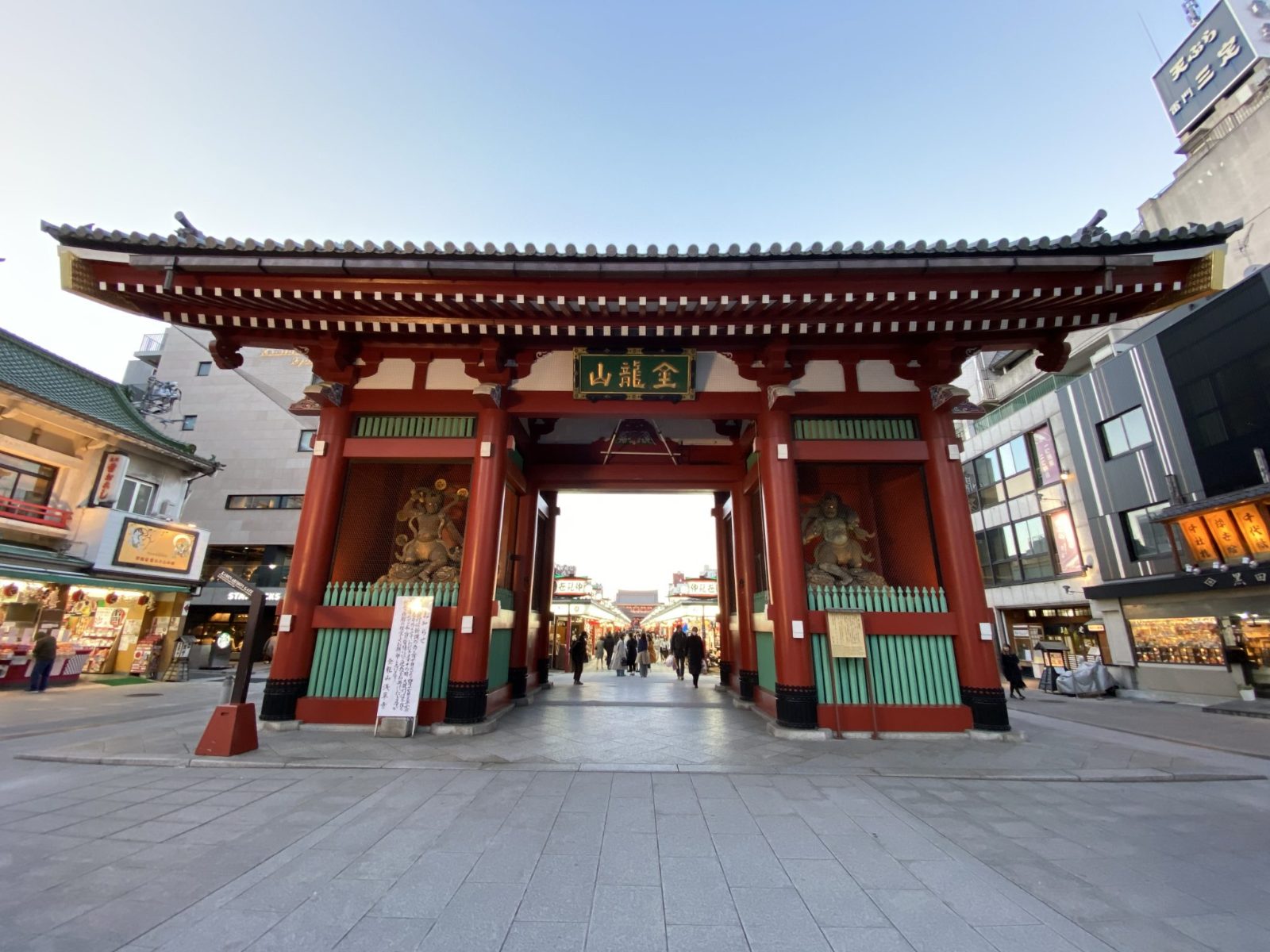
Senso-ji Temple
5 min walk
This historic temple is the heart of Asakusa and provides a traditional atmosphere that echoes the tea ceremony experience.

The traditional tea houses of Asakusa offer one of Tokyo's most authentic cultural encounters, where centuries-old ceremonial practices continue in the shadow of Senso-ji Temple. These intimate spaces require advance booking and careful preparation. This guide covers what you need to know before reserving your ceremony.
Quick answer
Traditional tea ceremony experiences in Asakusa operate daily with optimal booking windows between 09:00 and 18:00, matching the rhythm of the historic district. Entry-budget tea house plans start at 17,600 JPY per person and include full ceremonial service. The Taito City location places you within walking distance of Senso-ji Temple and Nakamise Shopping Street, making it possible to combine your tea ceremony with broader Asakusa exploration.
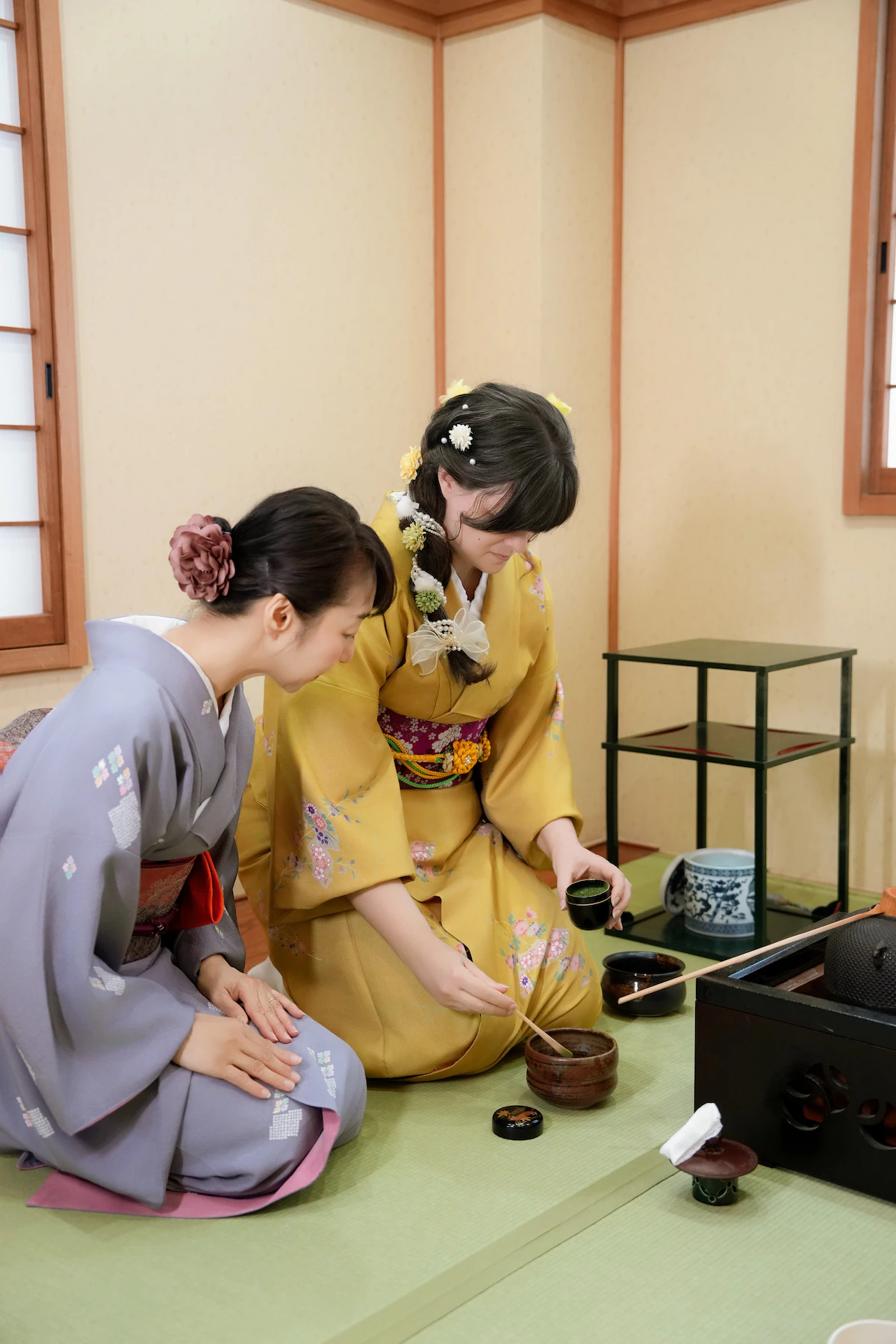
The tea houses scattered through Asakusa's back lanes preserve a ritual that predates the Meiji era, conducted in rooms where tatami mats have been replaced dozens of times but the spatial proportions remain unchanged. Unlike the rushed matcha service offered in department stores, an asakusa tea house ceremony unfolds over 90 minutes, governed by movements refined across generations. The host—often a geisha trained in the Miyako Odori tradition—prepares each bowl with choreographed precision, whisking powdered green tea into a froth while guests observe from seiza position. The ceremony follows the Urasenke or Omotesenke school, depending on the house, with subtle variations in how the bowl is turned, how the chasen whisk is rinsed, and when seasonal wagashi sweets are presented. Guests receive instruction in proper bowing angles, how to accept the bowl with both hands, and the three-and-a-half sips that constitute correct consumption. The structure is formal but not performative—the silence between movements matters as much as the gestures themselves. Photography is typically restricted to preserve the meditative atmosphere. Booking requires advance notice, often several days, as the tea master coordinates scheduling around other ceremonies and prepares seasonal confections. The entry-budget plan at 17,600 JPY per person includes all ceremonial elements but not translation services, which some houses offer for an additional fee. The cultural context—Asakusa's role as Tokyo's spiritual center since the 7th century—adds weight to the experience. You are practicing a ritual in the same district where it has been practiced, uninterrupted, for hundreds of years. Most houses occupy machiya townhouses or purpose-built chashitsu tea rooms, accessed through narrow alleys that insulate the space from Asakusa's tourist traffic. The approach is intentional, a transition from the outer world into a realm where social hierarchies dissolve and attention narrows to the bowl, the water, the whisk. Seasonal considerations matter: summer ceremonies may include cooled matcha, winter sessions emphasize the warmth of the brazier. The tatami beneath you will smell faintly of rush grass, the scroll in the tokonoma alcove will reference the current month, and the host's movements will never vary by more than a centimeter from the prescribed form. Visitors often underestimate the physical demands. Maintaining seiza for the full ceremony challenges even regular practitioners, and most houses now provide small stools for guests who request them. The formality is not decoration—it is the point. Every element, from the way you enter the room to the angle at which you place your fan, carries meaning accumulated over centuries. This is not a demonstration. It is participation in a living tradition, one that exists in Asakusa as it has for longer than most Tokyo neighborhoods have stood.
“The silence between movements matters as much as the gestures themselves.”
The Asakusa tea house maintains a consistent schedule to accommodate visitors throughout the week. The facility is open daily, providing 24-hour accessibility.
The best arrival window is 09:00–18:00, which offers optimal lighting and aligns with the operational rhythm of the Asakusa district. Visiting during these hours ensures consistent cultural atmosphere for your tea ceremony experience.
—
Morning sessions provide a quieter environment and more personal attention during the tea service.
Mild, 10°C–20°C
Cherry blossoms bring high foot traffic; plan your arrival early to navigate the district comfortably.
Cool, 15°C–22°C
Clear weather and stable temperatures make this period comfortable for walking to and from the tea house.
Humid, 25°C–32°C
Midday heat is significant; schedule your session to avoid the peak sun during the early afternoon.
Verdict: Tuesday to Thursday, arriving between 09:00 and 11:00, during the months of April or October provides the most balanced experience.
The Asakusa Tea House is located within the historic Asakusa district of Taito City, Tokyo. The most efficient way to access the area is by utilizing the extensive rail and metro networks connecting to Asakusa Station.
Tobu Skytree Line to Asakusa Station
Tokyo Metro Ginza Line to Asakusa Station
Toei Asakusa Line to Asakusa Station
From Senso-ji Temple grounds
Upon arrival at Asakusa Station, prioritize using Exit 1 or 7 for the most direct pedestrian path toward the tea house. Refer to the official site at https://en.miyakodori-geisha.com/ for precise map coordinates to assist with your final approach.
Traditional tea ceremony protocols govern behavior in Asakusa's tea houses. Observing these customs demonstrates respect for the host and the centuries-old ritual.
The Asakusa area offers several cultural sites that complement the quiet reflection of a tea ceremony. Integrating these historical landmarks helps provide a deeper perspective on the traditional arts of Tokyo.
5 min walk
This historic temple is the heart of Asakusa and provides a traditional atmosphere that echoes the tea ceremony experience.
8 min walk
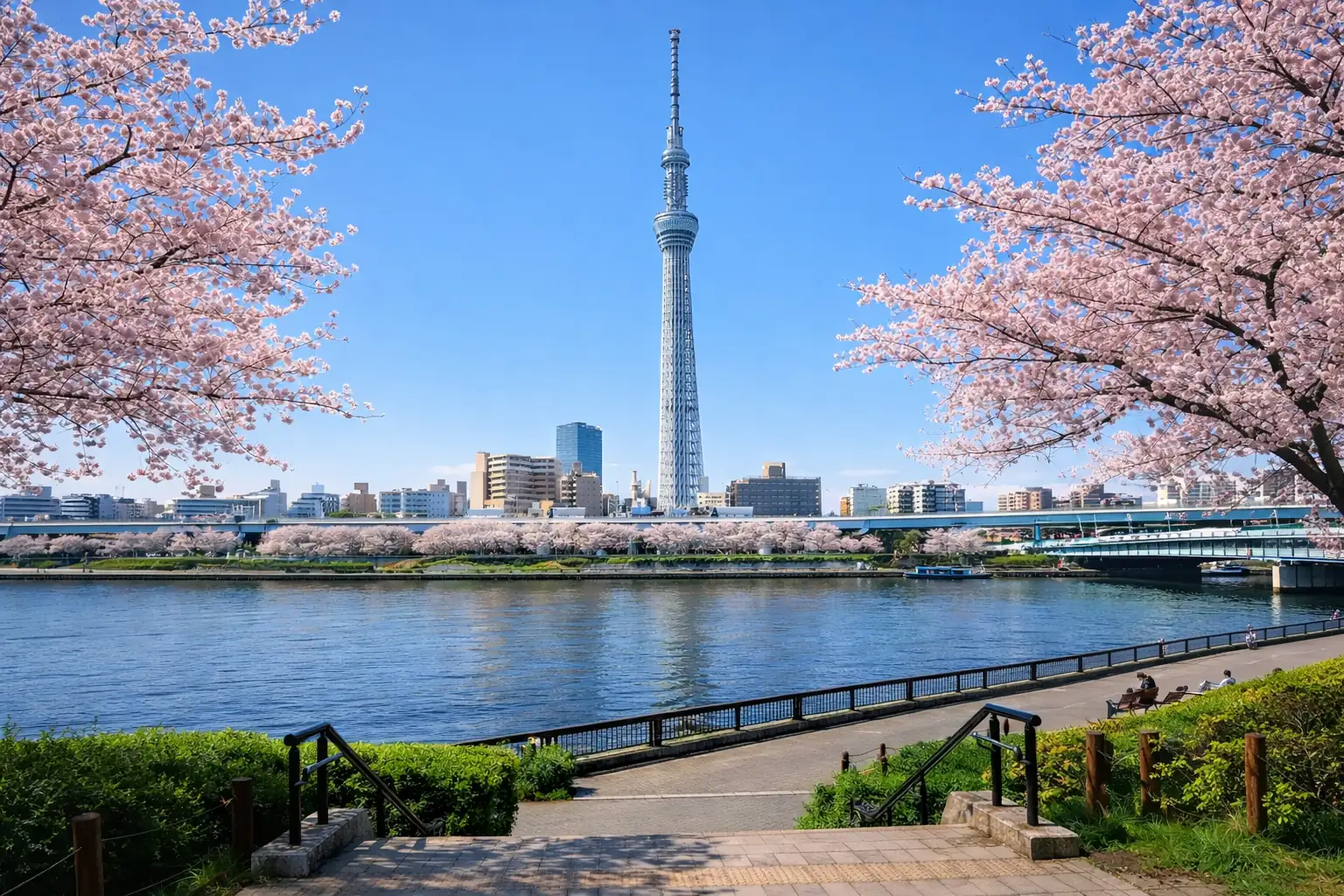
Located along the Sumida River, this park offers a scenic space to walk and observe seasonal foliage after your session.
12 min walk
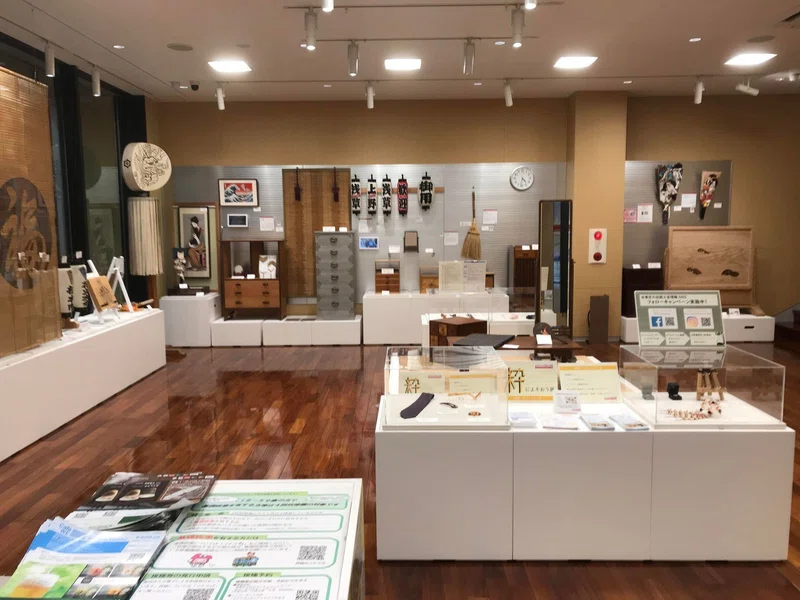
This center exhibits local craftsmanship, offering context for the refined tools and ceramics often utilized during tea ceremonies.
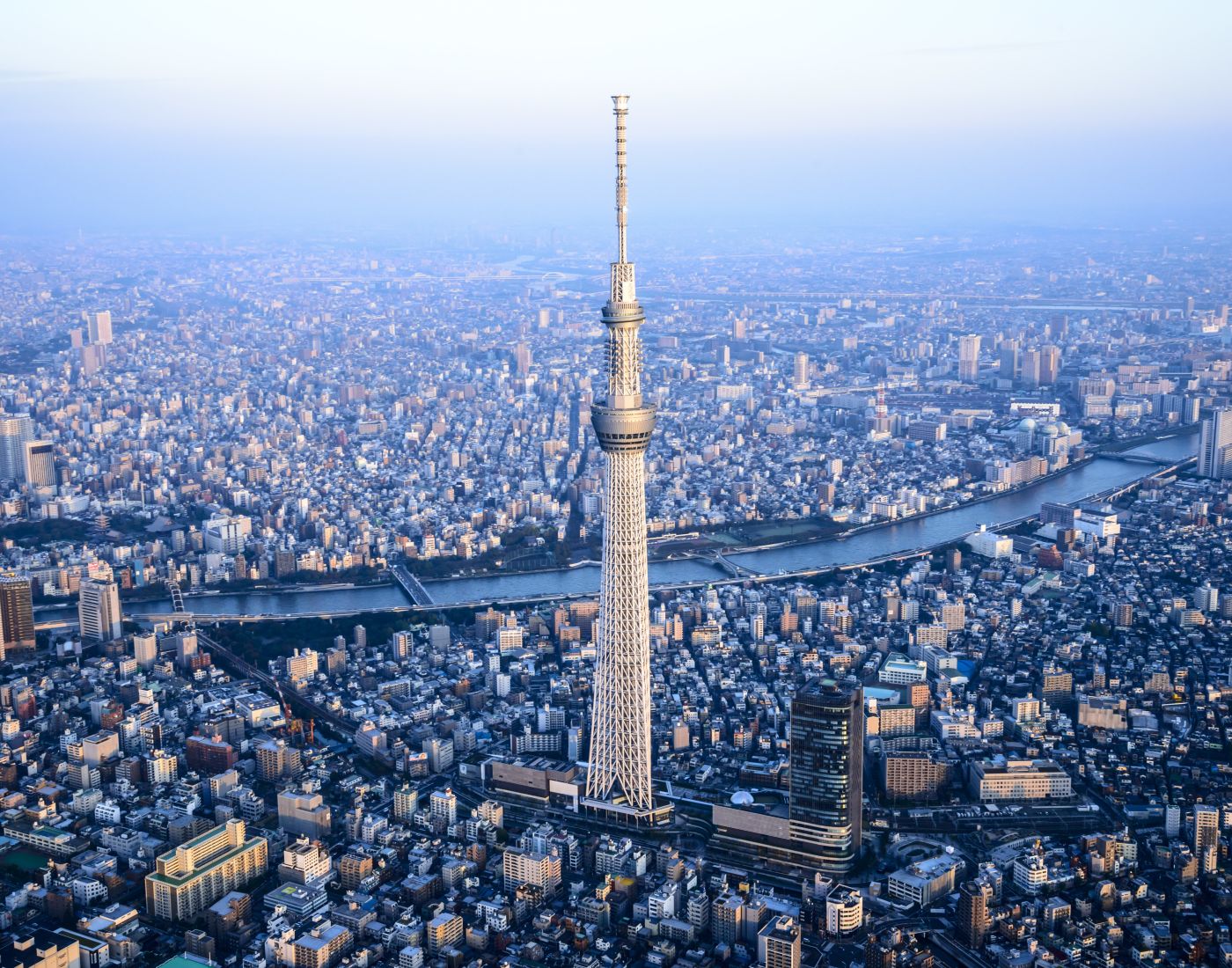
20 min walk
While modern, its proximity allows for a transition from historical reflection to a panoramic view of the cityscape.
Everything you need to know about asakusa tea house
The entry fee for the entry-budget tea house plan is 17,600 JPY per person. Please note that this fee covers the standard service provided at the location.
The best arrival window for your visit is between 09:00 and 18:00 to ensure optimal lighting and full access to cultural activities. Visiting during these hours helps you experience the serene atmosphere of this Asakusa tea ceremony setting.
Yes, this asakusa tea house operates every day from 00:00 to 23:59. This flexible schedule allows visitors to integrate the experience into their Tokyo travel itinerary easily.
You can secure your spot by visiting the official site at https://en.miyakodori-geisha.com/. This portal provides all the necessary details to finalize your reservation for a traditional session.
Children are welcome to attend, though the experience involves quiet appreciation of matcha and precise movements. It is recommended to check the specific requirements on the official website when planning your visit.
Asakusa is a vibrant area rich in heritage, so allow extra time to explore nearby shrines and markets. Respecting the local customs while engaging with the matcha preparation process will enhance your visit to this tranquil refuge.